
Our Location
304 North Cardinal St.
Dorchester Center, MA 02124

Matte helps, but a 120 cm figure still has highlights. Where to put the light, where to put the camera, and what to avoid.
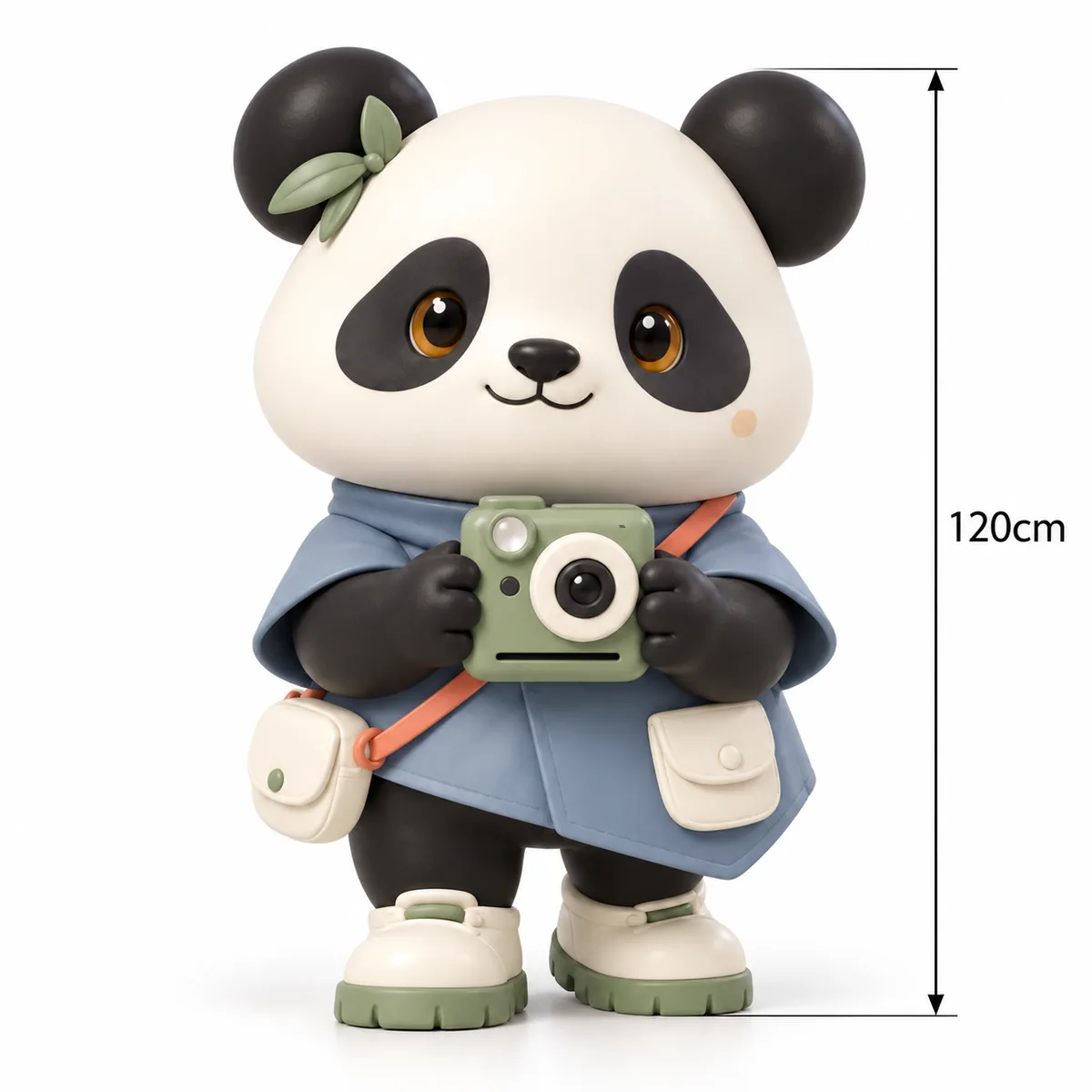
Matte finishes are the easy part of photographing these. The hard part is that the figure is 120 cm tall and your phone wants to be 60 cm from it, which gives you a perspective that no one standing in the room ever sees.
Stand three to four metres away and use a mild telephoto, around 2x on a phone. At that distance the proportions look like they do in person. Up close, a wide lens exaggerates the head and shrinks the feet, and the figure ends up looking like a toy in photos even though nothing about it reads that way in the room.
Put the lens at roughly the middle of the figure, not at your eye height. If you’re taller than the piece you’ll shoot down on it and the face will look compressed. Shooting from around 60 to 70 cm up, which is chest height for most people, is close to how the sculpt was designed to be viewed.
One source, front and slightly above, angled about 30 degrees off axis. That gives the form some modelling without putting a hotspot on the forehead. With a window, put the figure beside it rather than in front of it, and if the far side goes too dark, bounce a piece of white card rather than adding a second light. Two lights from opposite sides kill the modelling that matte is supposed to show.
Matte means you can get away with a fairly hard source. It’s gloss that needs big softboxes, not matte.
Floors. A polished floor reflects the figure and the reflection doubles the visual height, which usually looks wrong. Shoot from an angle where you can’t see the reflection, or throw something dark and matte on the floor out of frame.
A plain wall a metre or two behind the figure is enough. You don’t need a backdrop, and a busy room behind a tall patterned character is genuinely hard to read. If the piece is in a corner, use the corner, since two converging walls give you a natural frame for free.
Traveler Panda with Camera is the obvious one to photograph with a camera in the frame, and it’s also a decent illustration of what a 30-degree key light does to a matte surface.
